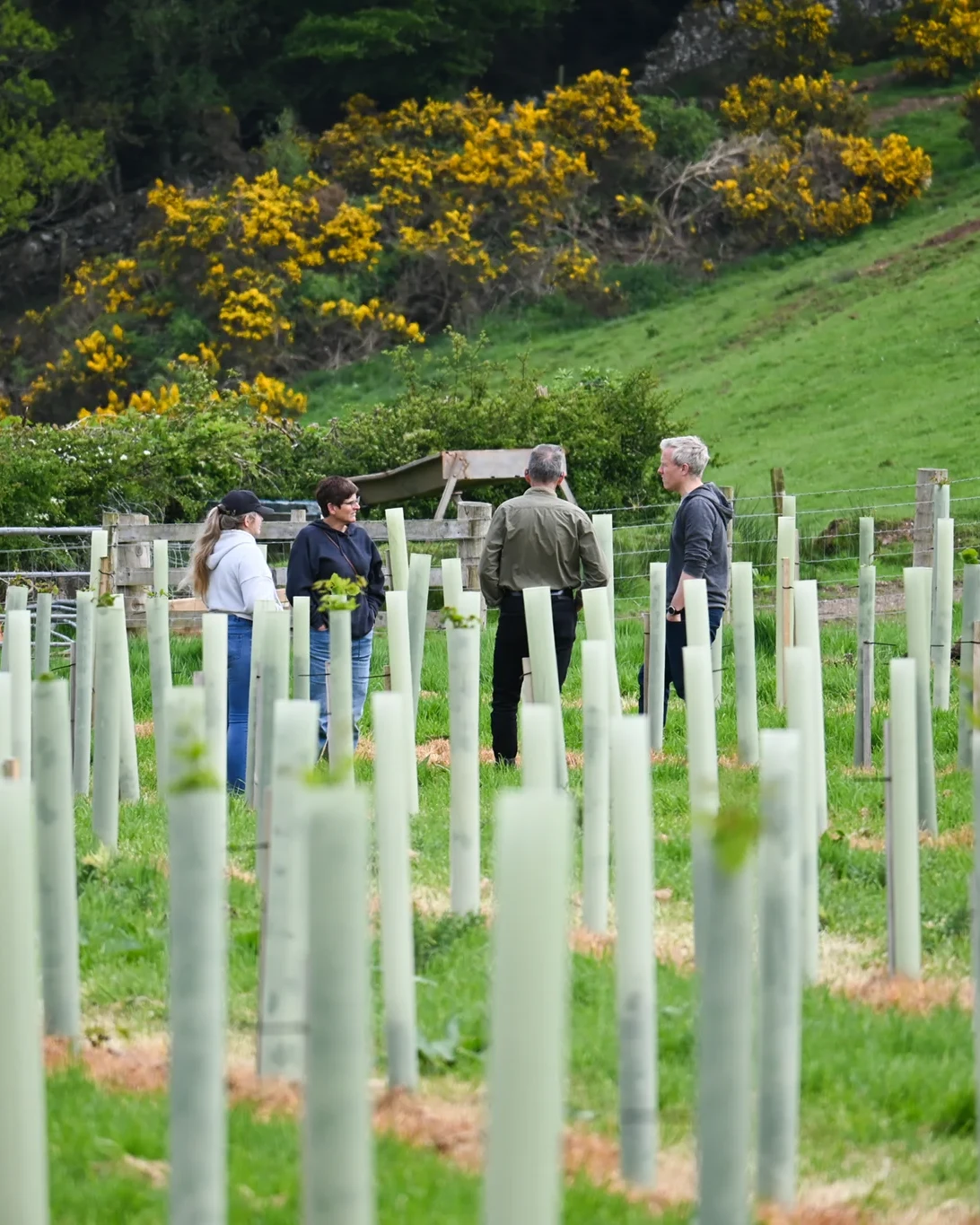
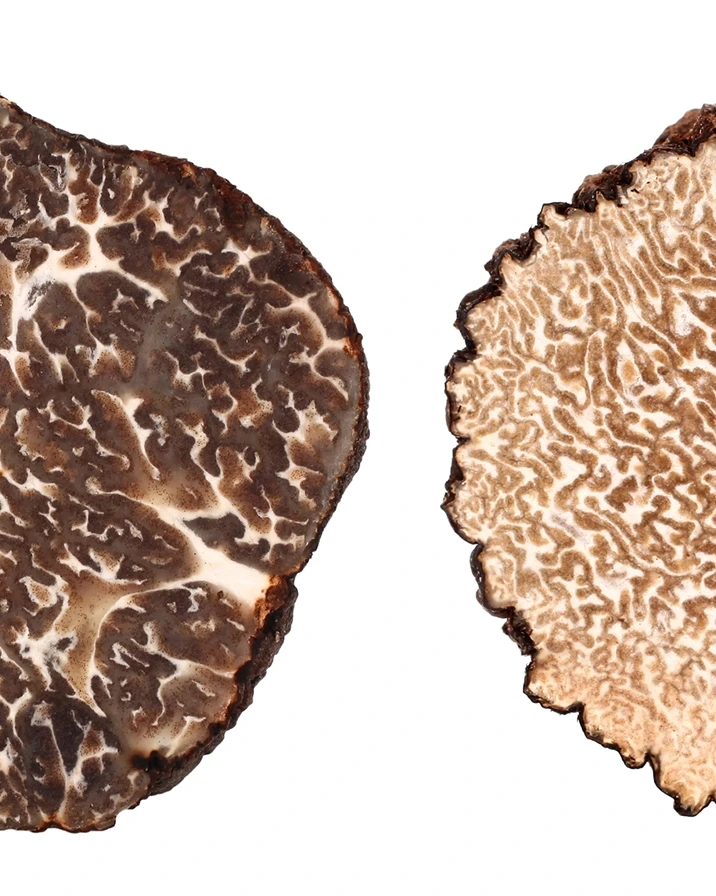
Unsure if your land is right for truffle cultivation?
We provide thorough site suitability assessments, including detailed soil analysis and climate evaluations, to ensure your property is ideal for growing truffles. We’ll guide you through every step to set you up for success.

Global Research Backing You Can Trust
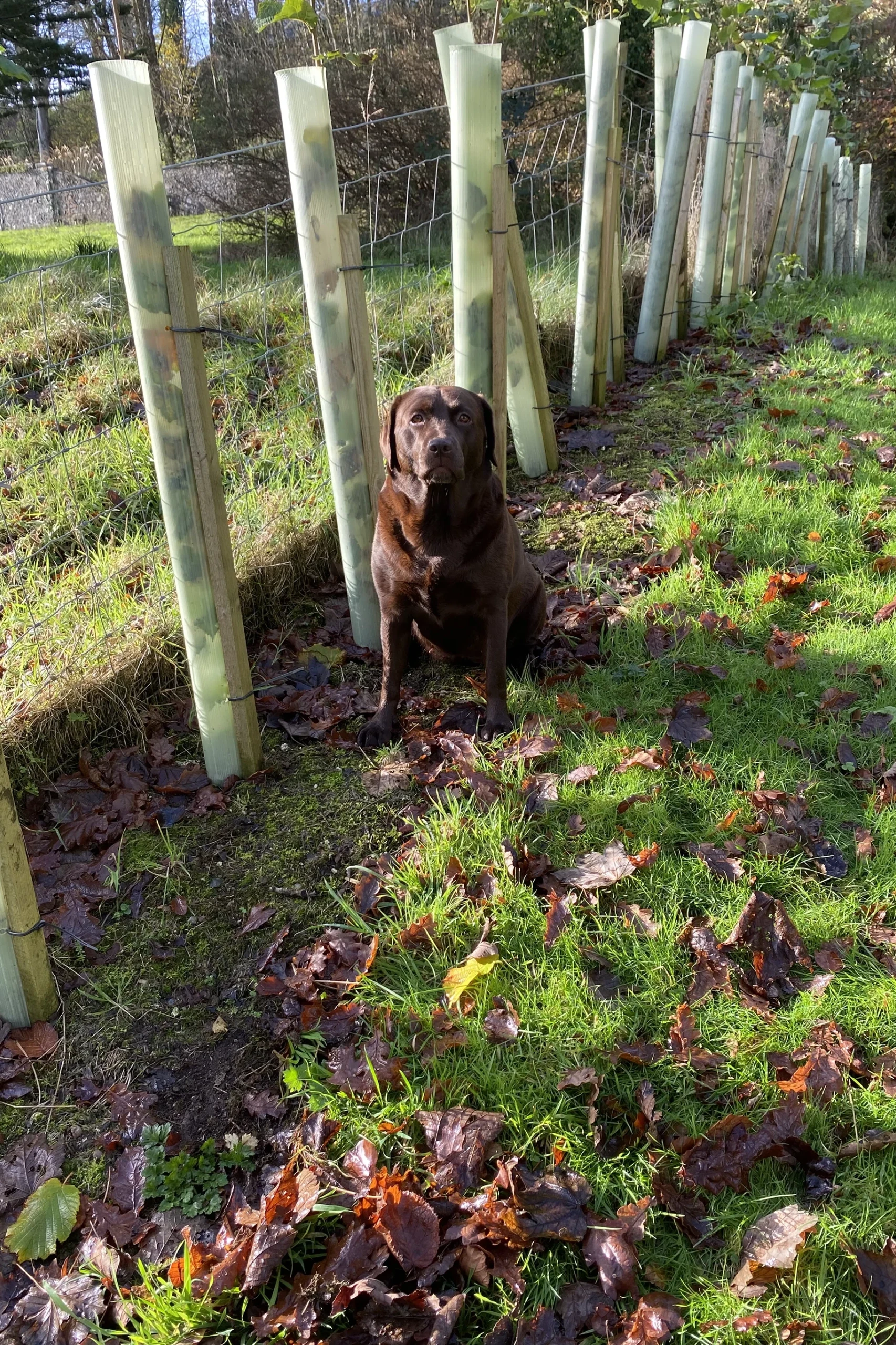
When you work with us, you gain access to the world’s largest and most diverse truffle cultivation research network. Our plantations span multiple countries and climates; all started with the same proven technology. This gives us unmatched data and experience, allowing us to advise you on how to handle any challenge—whether it’s extreme weather or soil differences. Our ongoing global trials and genetics research mean you benefit from the latest breakthroughs and tailored advice designed specifically for your site’s unique conditions.
Research
Affordable Start-Up Costs
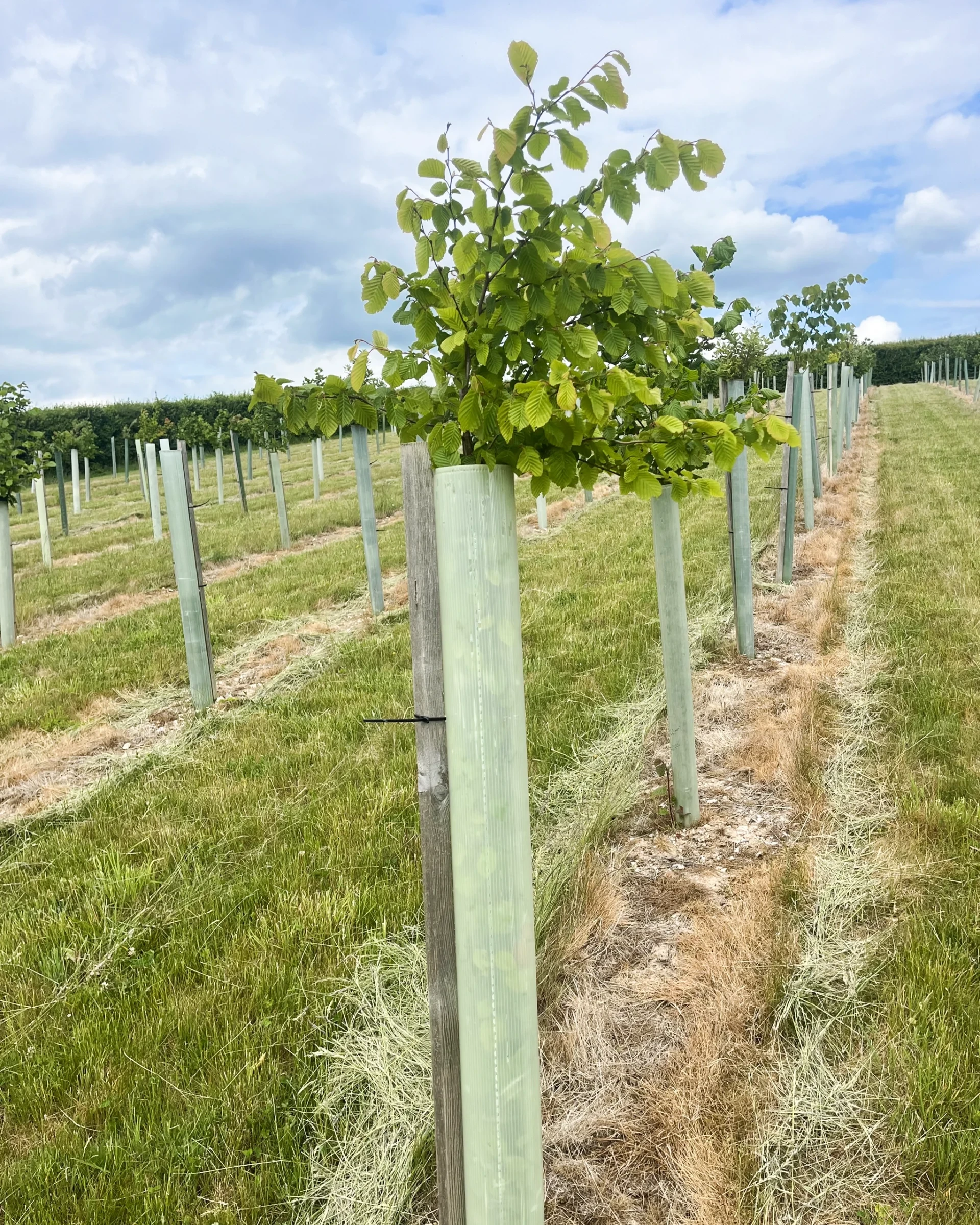
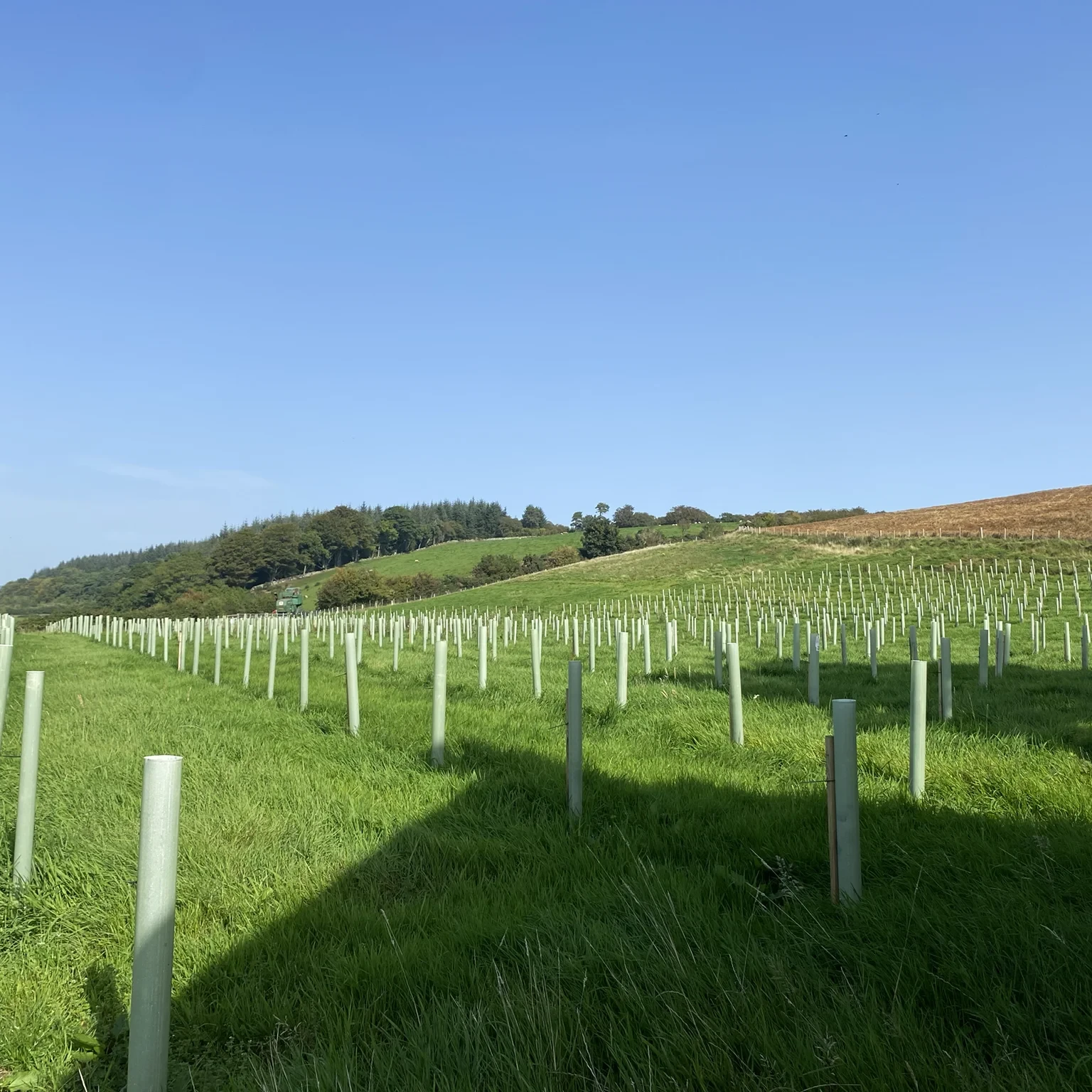
Starting your own truffle tree orchard is more accessible than you might think. Depending on your location, planting density varies — for example, in Mediterranean climates only a few hundred trees per hectare are needed, while in the UK about 1,600 per hectare works best. This means initial investment can range from approximately £5,000 to £17,600 per hectare (2.47 acres). There are also several tree planting grants available, including the England Woodland Creation Offer (EWCO) and the Woodland Creation Planning Grant (WCPG)."
Comprehensive Expertise & Consultancy
There are many species of truffles, each suited to different climates and soil types. We help you identify the best fit for your land—many successful sites start with acidic soil, so don’t worry if you don’t have alkaline soil. Our team offers full consultancy including annual reports on the orchard. and ongoing scientific monitoring, ensuring you stay at the forefront of truffle growing technology. We’ll help you maximize your yield and profitability.
Discover More

Harvesting Support & Market Access
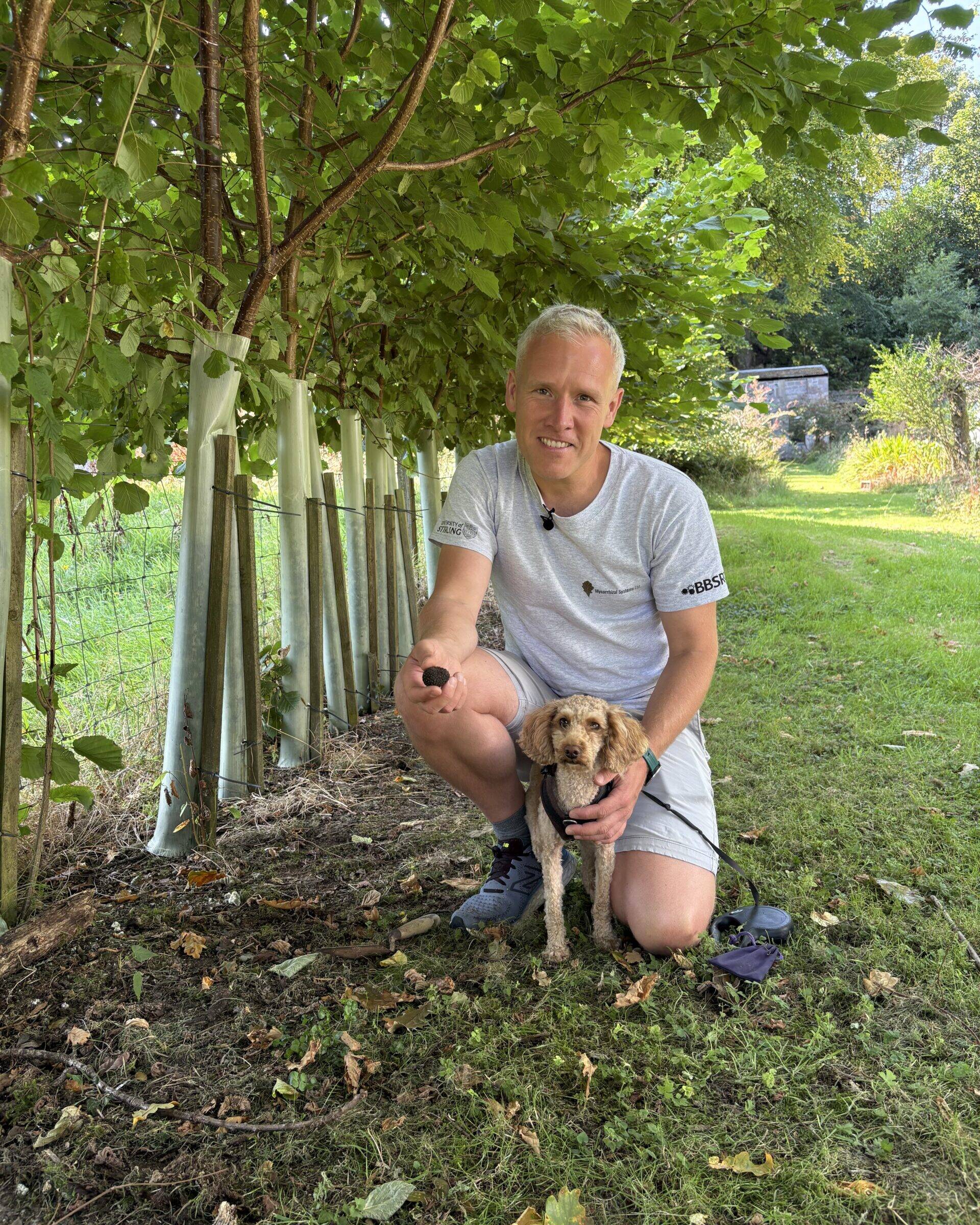
When it’s time to harvest, our experts provide practical guidance on the best methods. Plus, you can join our global distribution network, opening doors to premium truffle markets worldwide. Interested in learning how truffle cultivation can transform your land into a profitable, sustainable venture? Contact us today with your location details for a free suitability check. We can also supply trees for non-commercial size orders – please visit our online store.
Retail
Latest Press Releases